
A Week at Origin: Nyeri, Kenya
Every bag of Ostara Bloom we sell says “Nyeri, Kenya” on it, and until this trip that was mostly a line of text to us too - a fact pulled from a spec sheet, repeated on the product page and never really interrogated. We spent a week at the washing station and the smallholder farms that feed it, from the first picking of the morning to the cupping table where a lot either earns its grade or doesn’t. This is the long version of what that week actually looked like.
Getting there
Nairobi to Nyeri is a few hours by road, and the landscape changes gradually the whole way - flatter agricultural land giving way to the red volcanic soil and rolling elevation the region is known for. The washing station we visited sits above 1,800 meters, high enough that mornings start cold and a light mist sits over the hills until the sun burns through it, usually mid-morning.
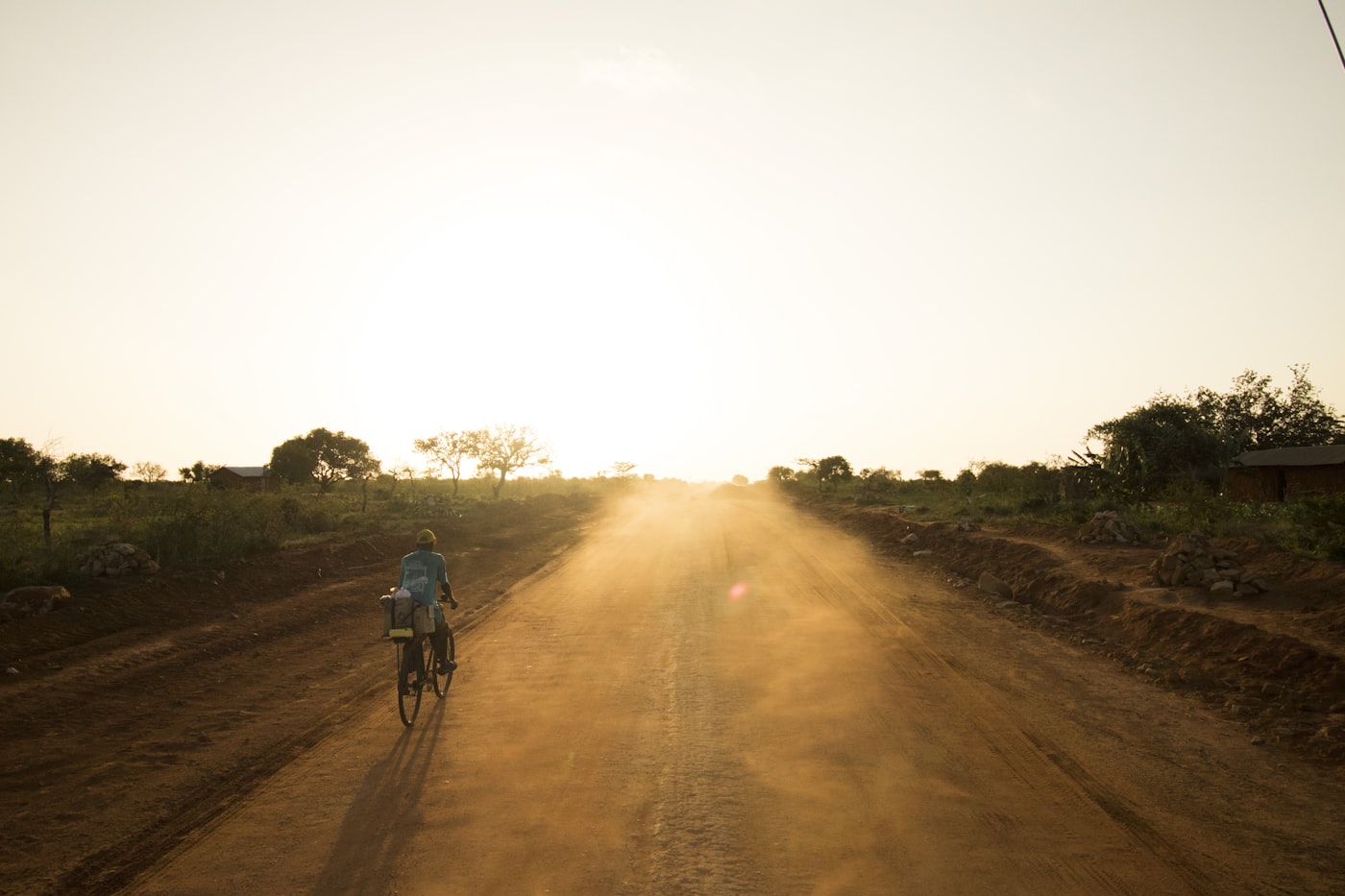
The first thing that’s hard to appreciate from a bag of roasted beans: how much of this coffee’s character is decided before a single cherry is picked. Elevation, soil, and the specific microclimate of this one set of hills all show up in the cup later, and none of it is something a roaster can add back in if it wasn’t there to begin with.
Picking
Cherries don’t ripen on a schedule that’s convenient for anyone. A single tree carries cherries at every stage of ripeness at once, which means picking here is entirely by hand and happens in passes, sometimes a dozen or more over a season, with pickers returning to the same trees every week or two to take only what’s ready.
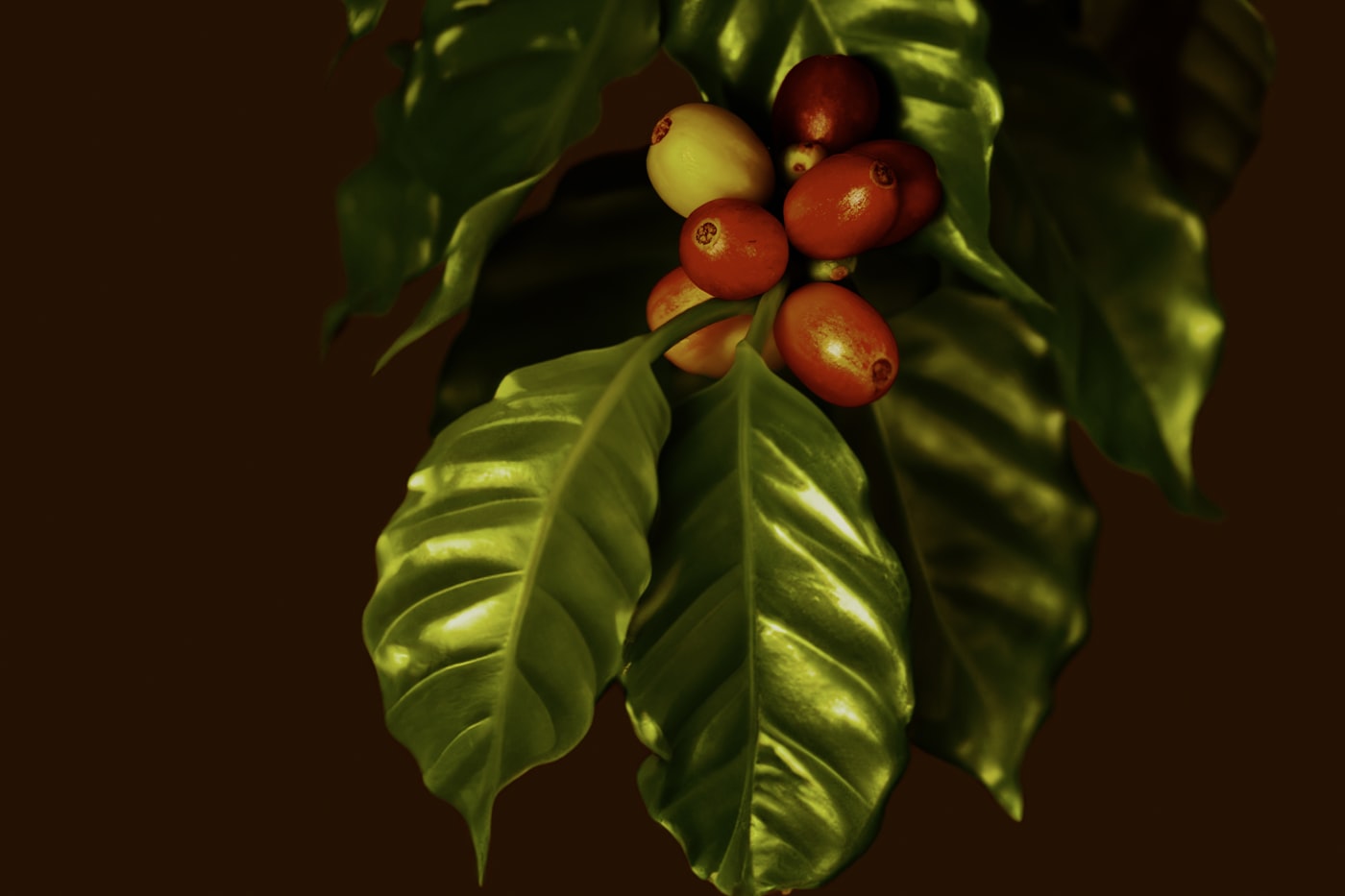
A ripe cherry is a deep, almost wine-red, and it should give slightly under a gentle squeeze - too firm and it’s not ready, too soft and it’s overripe, both of which make weaker coffee. Picking selectively for exactly the right cherries is slow, genuinely skilled work, and it’s the single biggest reason quality coffee costs what it does. There’s no mechanical harvester that can tell the difference between a cherry that’s ready today and one that needs another week.
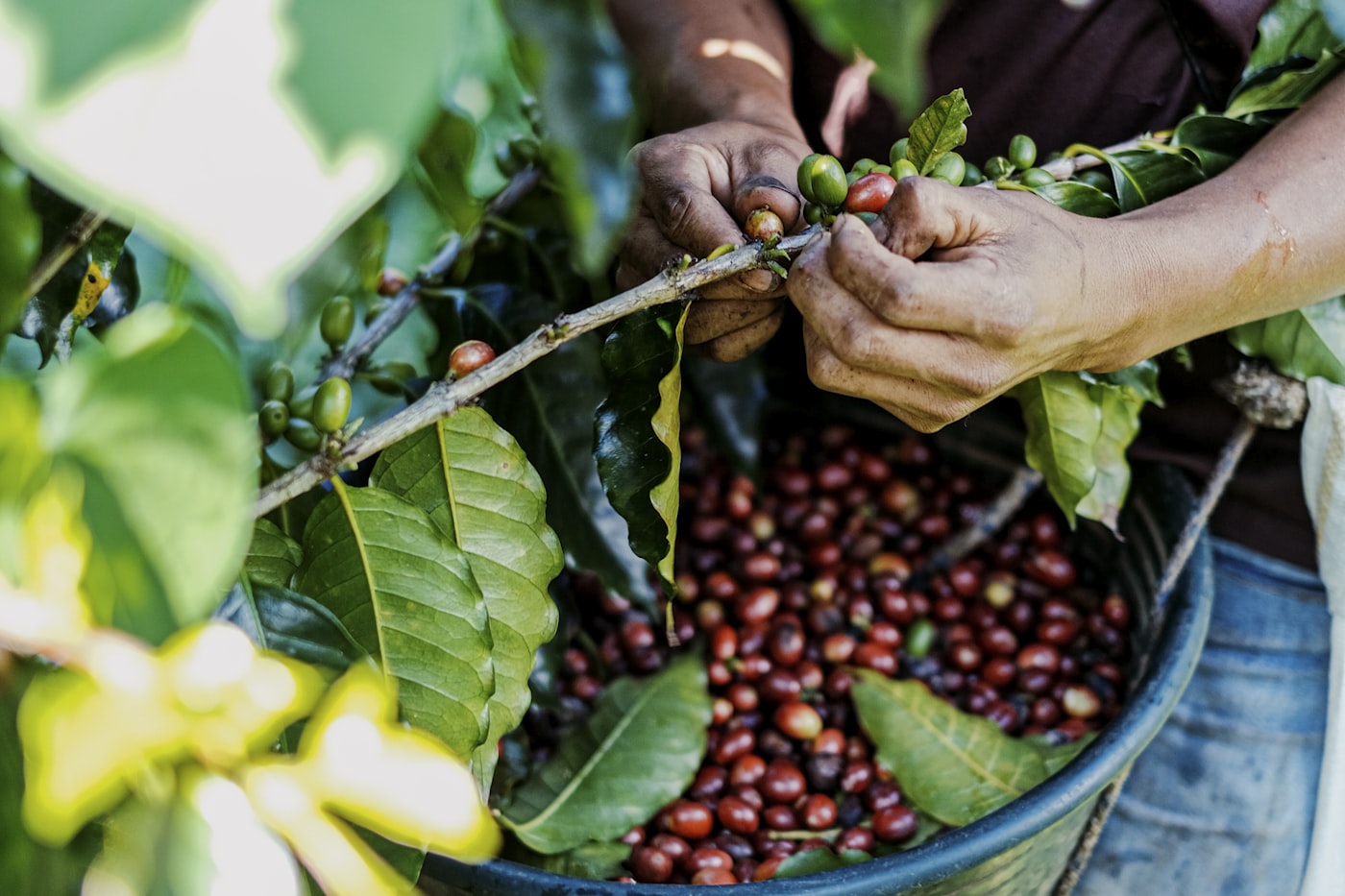
Most of the growers who supply this washing station farm less than an acre each, often alongside other crops for their own household. The cooperative model - many small farms delivering cherries to one shared processing site - is what makes consistent quality possible at this scale. No single farm here could justify its own washing station, but together they can run one well.
Processing
Cherries have to be processed the same day they’re picked, or the quality drops fast - this is the part of the timeline that dictates everything else about how a washing station is run. Ours started receiving cherry deliveries by early afternoon and the pulping machines were running within the hour.
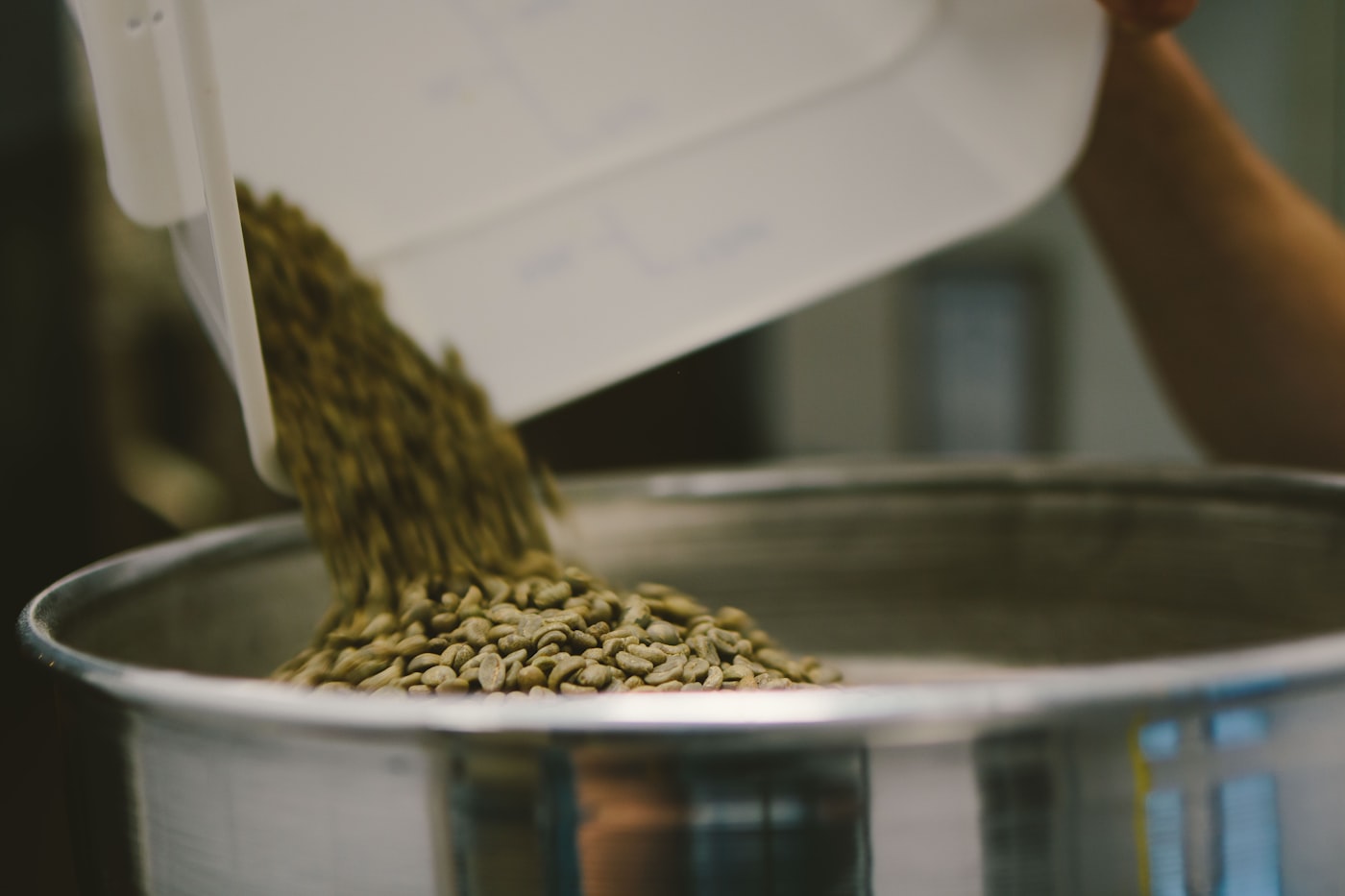
The pulper strips the outer skin and most of the fruit, leaving the bean still coated in a sticky mucilage layer. For a washed process - what every one of our single-origins uses - that mucilage gets fermented off in tanks over roughly 24 to 48 hours, then rinsed clean in fresh water. It’s this step, more than almost anything else in the chain, that gives washed coffee its clarity: no fruit pulp left to muddy the flavor during drying, unlike a natural process where the whole cherry dries around the bean.
Drying
Once washed, the beans - now called parchment, for the papery layer still surrounding them - move to raised drying beds. This is deliberately the slowest step in the whole process, and rushing it is one of the most common ways a good lot gets ruined after the hard part is already done.
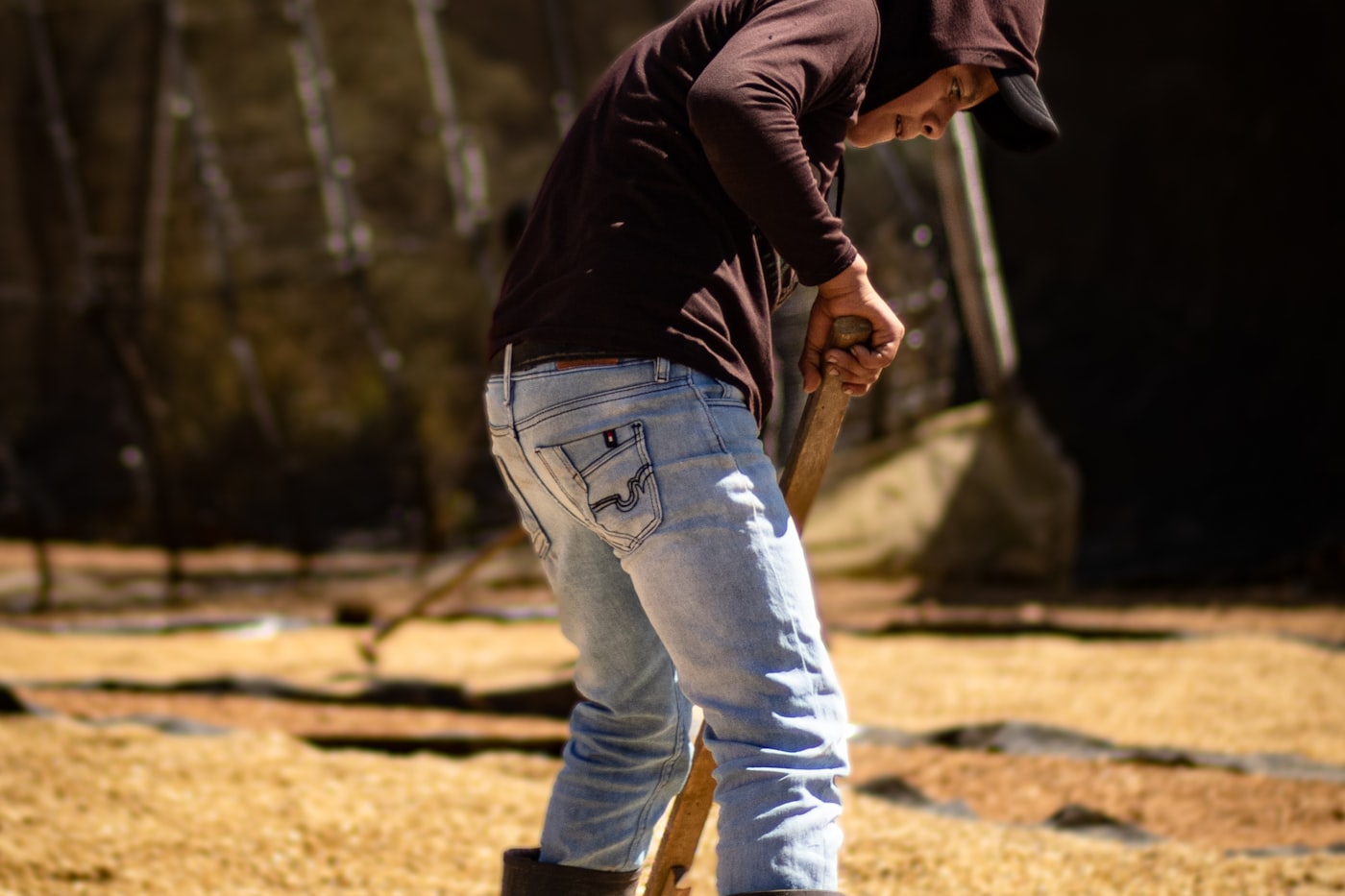
Raised beds let air move under and around the parchment, drying it more evenly than a slab or ground-level patio would. Workers rake and turn it by hand several times a day, and it stays under cover whenever rain threatens, which at this elevation is often. A full drying cycle here runs anywhere from ten days to three weeks depending on weather, and the target isn’t a fixed number of days - it’s a specific moisture content, checked repeatedly, that determines when the parchment is actually ready to rest and be milled.
Cupping
Every lot gets tasted before anyone decides what grade it earns or which buyer it’s suited to, and that happens at a cupping table, not in a lab. We sat in on two sessions and, tastes notwithstanding for how little training either of us has, walked away with a much better sense of what “clarity” and “structure” actually mean when someone uses those words about a coffee.
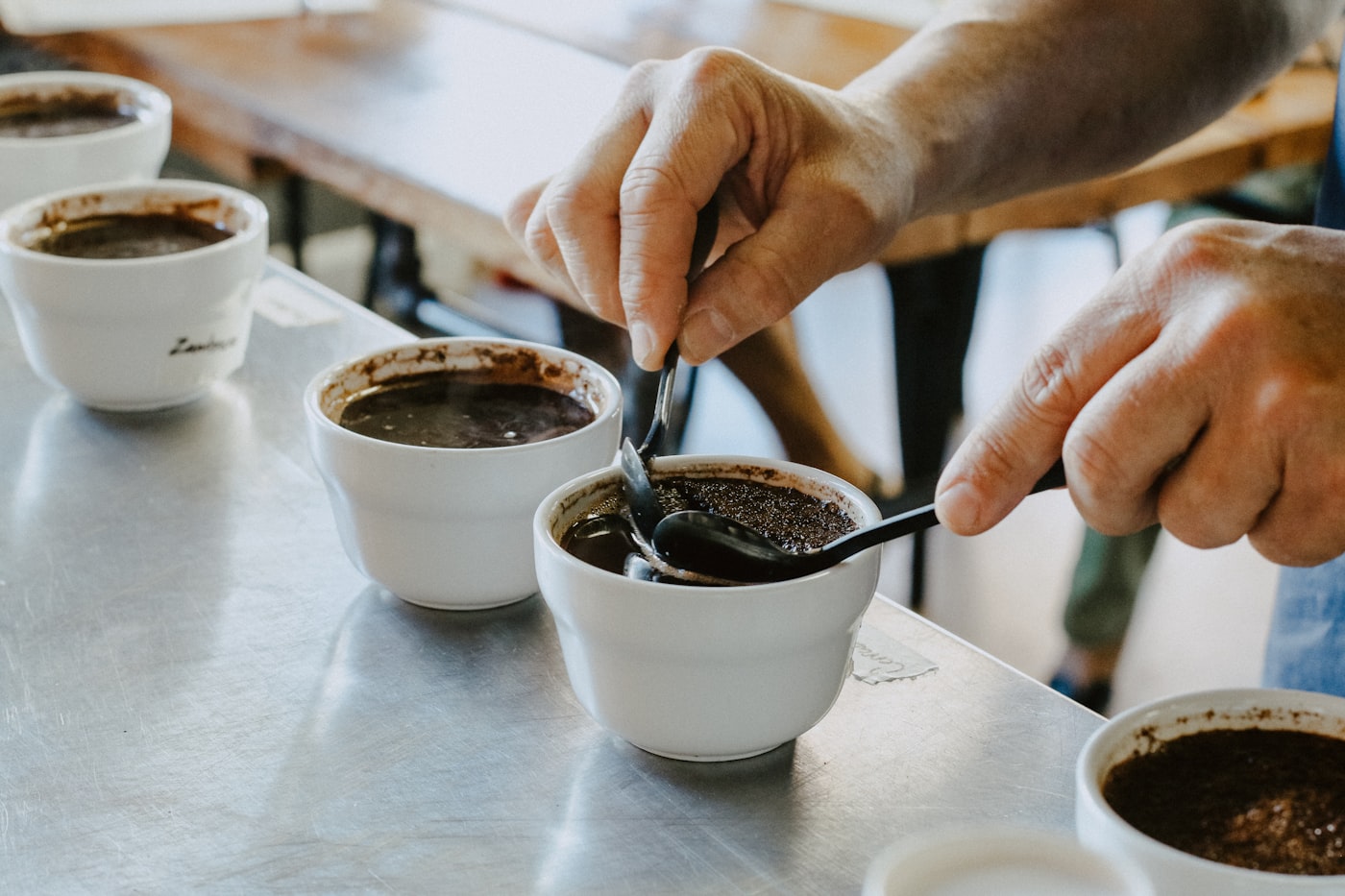
The format is the same one used at origin, at import, and again by us before a lot ever gets roasted for sale: ground coffee steeped directly in the cup, the crust broken and skimmed after a few minutes, then tasted by slurping loudly enough to aerate it across the whole palate. It looks and sounds nothing like drinking coffee normally does, and it’s genuinely the fastest way to catch defects before they become a customer’s problem.
The people behind the bag
It’s easy, buying a bag off a shelf, to think of “Nyeri, Kenya” as a place rather than as the specific people who grow, pick, and process the coffee in it. Spending a week meeting some of them made that distinction impossible to un-see.
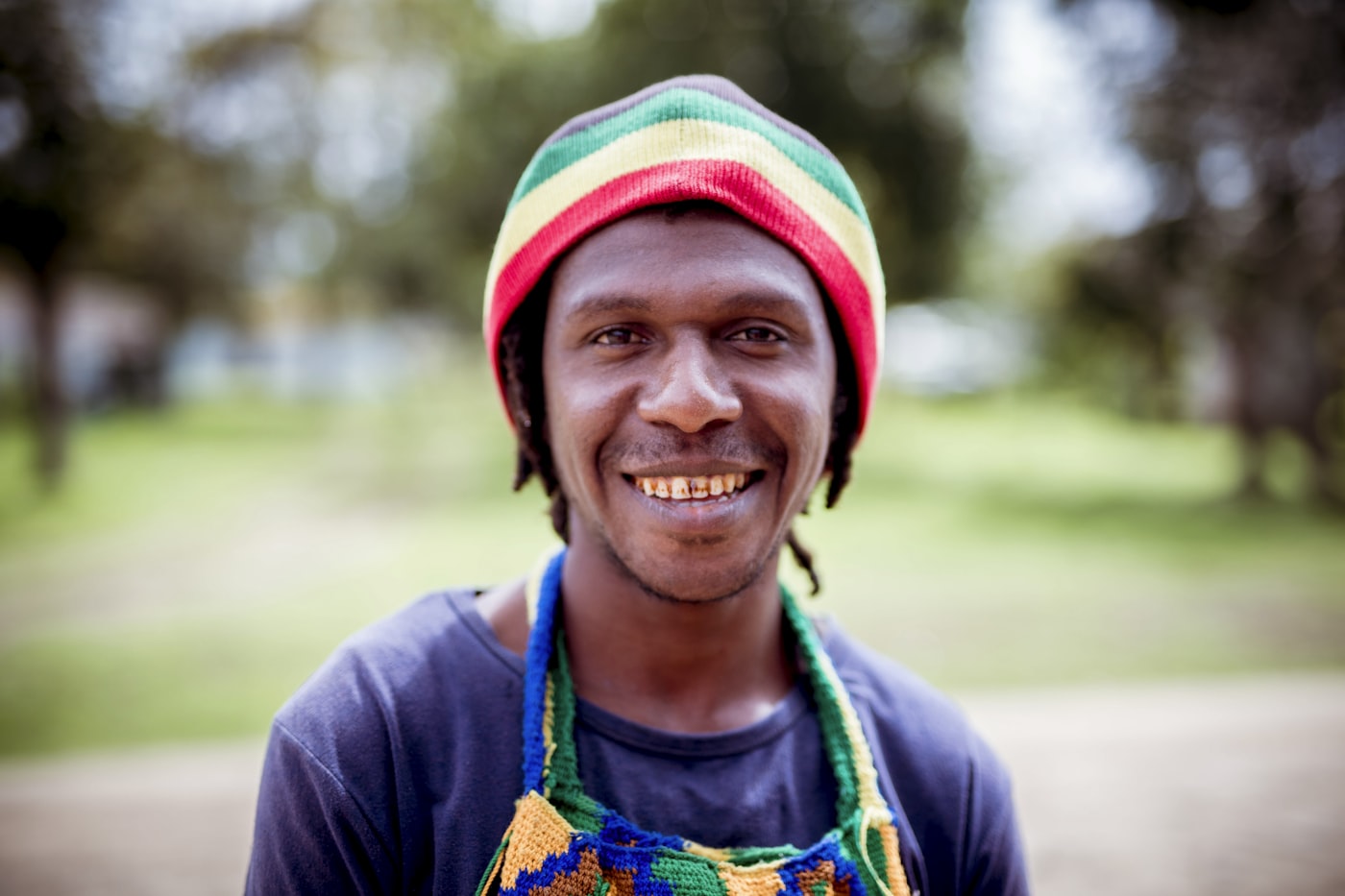
Most of the growers we talked to have been farming this same land for decades, some inheriting it from parents who did the same. The relationship between a washing station and its member farms is a genuinely long one, built over years of consistent, fair pricing rather than a single good season - and it’s that relationship, as much as the elevation or the soil, that we’re actually paying for when we buy this lot every year.
What this changes for us
Nothing about how we roast or sell Ostara Bloom is different after this trip. What’s different is how much less abstract “single-origin” feels now, and how much harder it is to write a tasting note without picturing the raised beds it dried on or the hands that picked it. We’ll keep buying from this same washing station for as long as they’ll have us.